Retail
What One Returned Garment Really Costs a Retailer to Process
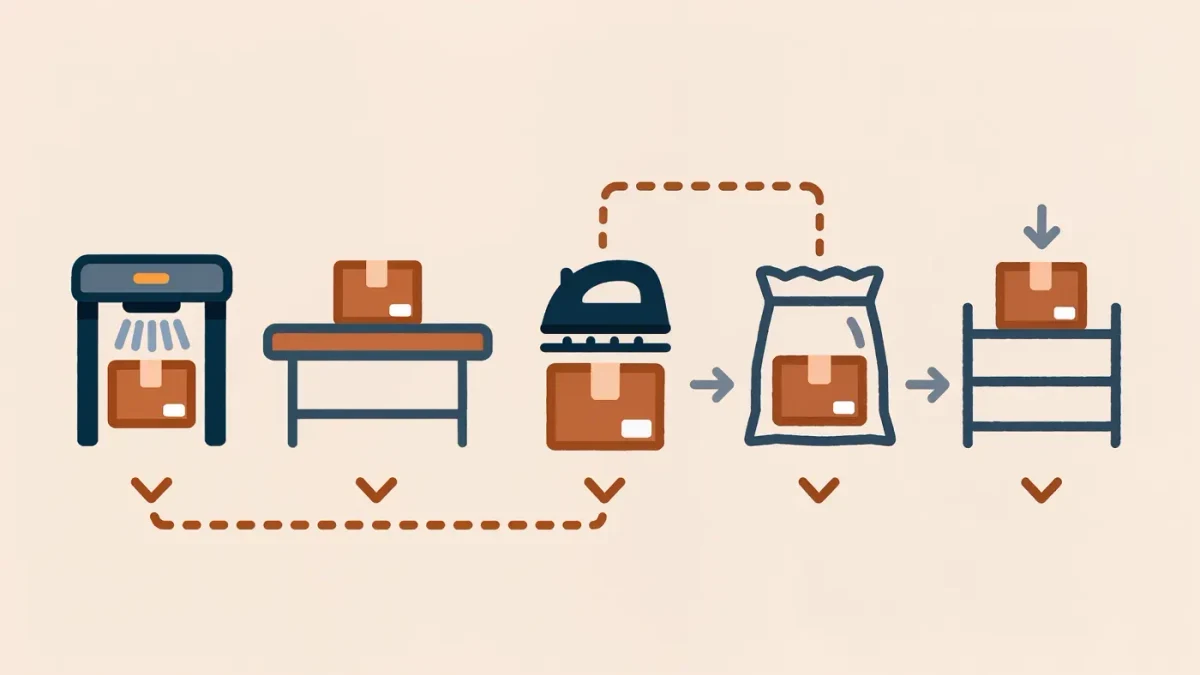
A single parcel travelling backwards through an apparel supply chain collects costs at every touchpoint, and the invoice rarely appears on any customer-facing receipt.
Retail covers the delivery end of the industry: physical layout, online sizing tools, fit prediction, returns handling and the inventory choices that leave a rack permanently marked down. Coverage includes what a single return actually costs a company. Useful for readers in buying, merchandising or e-commerce.
A single parcel travelling backwards through an apparel supply chain collects costs at every touchpoint, and the invoice rarely appears on any customer-facing receipt.

A medium is not a measurement but a claim, and each brand's claim reflects its own grading base, target body, fabric, and marketing history.
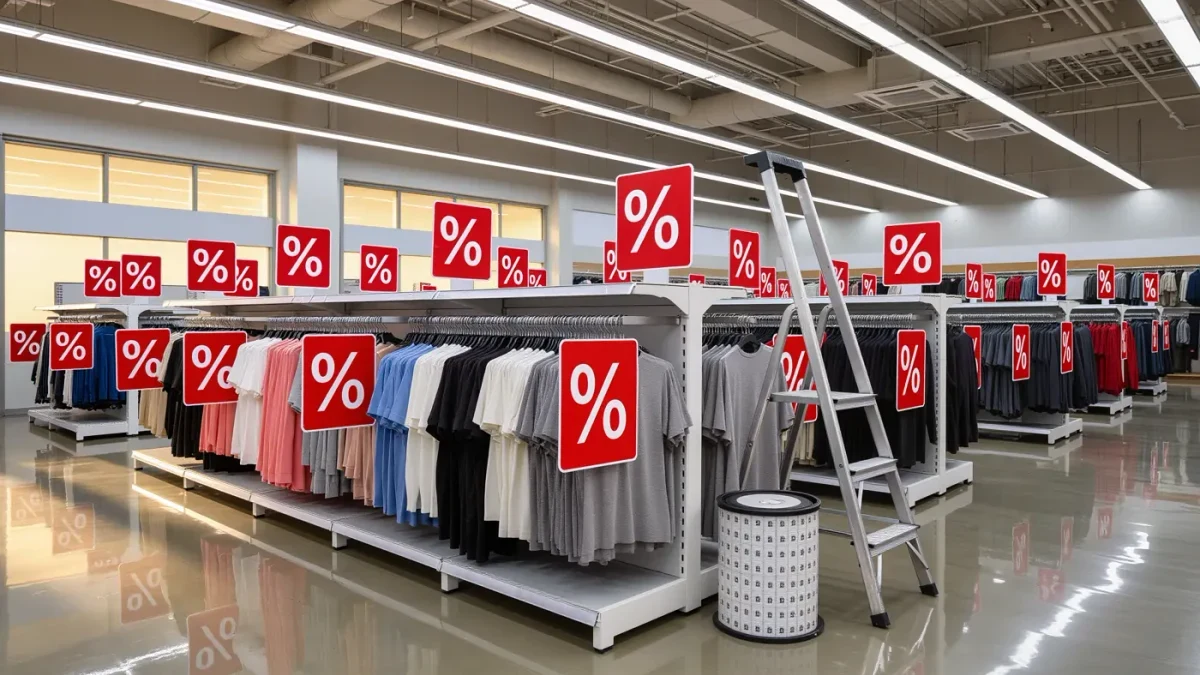
Every markdown on the floor passed through a decision chain that mixes buyer judgement, calendar tradition, and increasingly an algorithm, and the chain differs more across retailers than shoppers would guess.

The strip of floor just inside a store entrance is deliberately under-merchandised, and the reasoning runs deeper than most shoppers suspect.
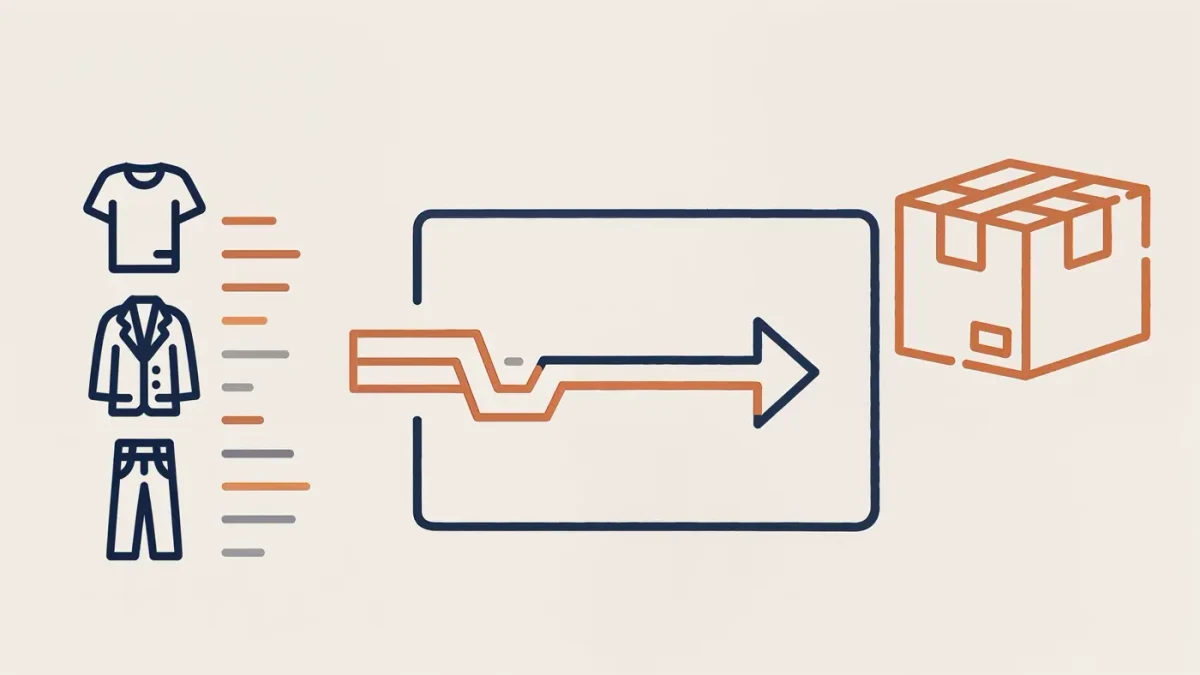
Sizing algorithms promise to intercept the largest single category of online returns before the parcel is ever packed, and early deployments show measurable movement.

A store sells linear feet of rail long before it sells garments, and the arithmetic of density decides which racks earn their floor space.