
Technology
Why RFID Took Over the Stockroom, and What It Replaced
A tag that costs dimes and reads through cardboard rewrote inventory accuracy — the system shift, from the GS1 standard to Walmart's mandates.
Technology examines the tools now used in apparel: 3D sampling, body scanning, digital printing, product lifecycle software, automated cutting and machine vision inspection. Each is assessed on what it changes in cost, waste or accuracy. Written for readers who evaluate systems instead of watching demonstrations.
Tools reshaping garment work: 3D sampling, body scanning, digital printing, lifecycle software and automated cutting, assessed on what they change.
A tag that costs dimes and reads through cardboard rewrote inventory accuracy — the system shift, from the GS1 standard to Walmart's mandates.
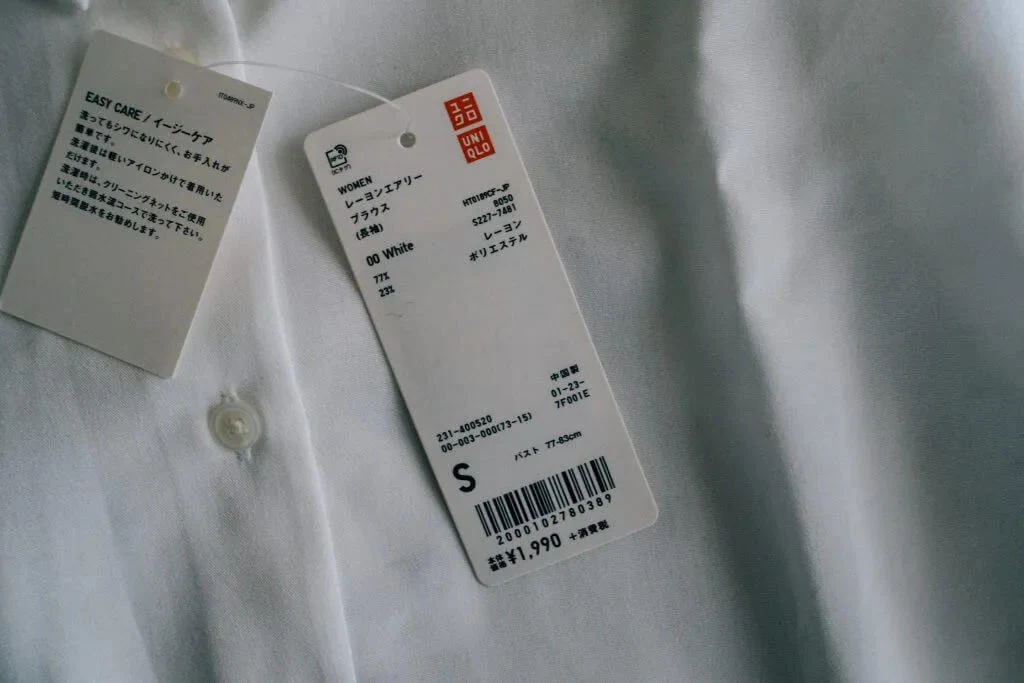
A passive radio tag sewn into a garment now does what a barcode never could: count an entire rack without a single item leaving the shelf.
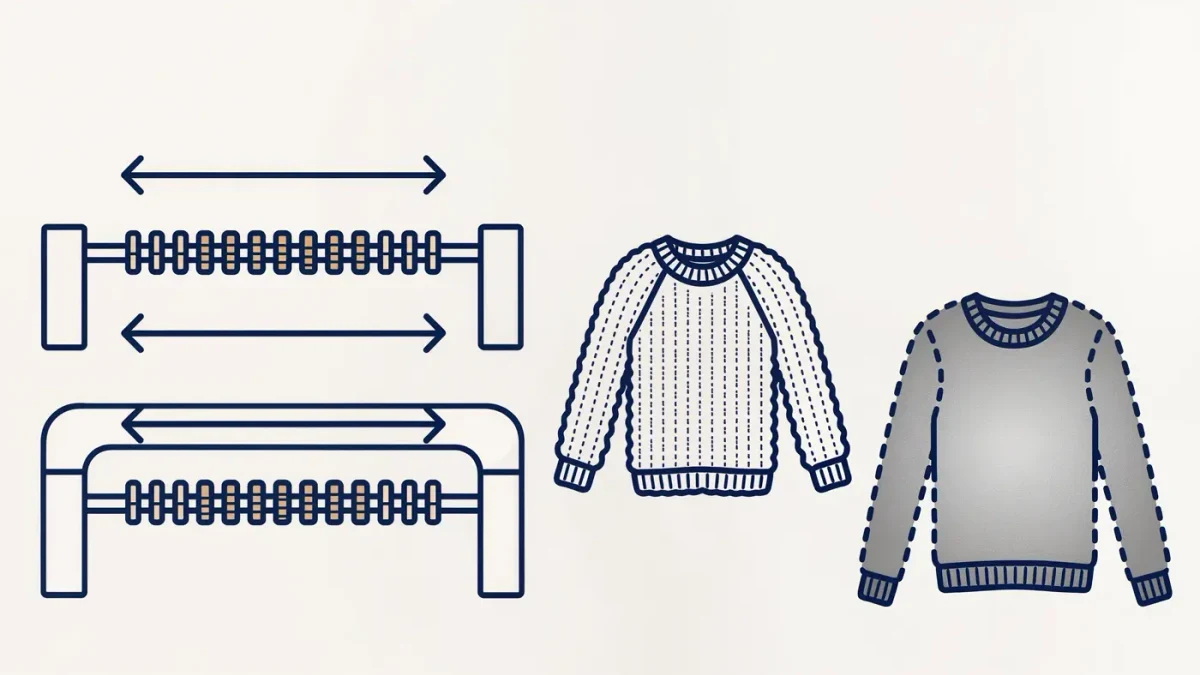
Machines from Shima Seiki and Stoll knit complete tube-shaped garments with no seams and no cut waste, while design constraints and machine cost keep the method in a defined product niche.

Fit engines blend a shopper's dimensions, past returns, and cohort behavior into one size call, and the strongest signal turns out to be what similar shoppers kept.

Time-series models forecast replenishment basics within useful error bands, while new-season fashion items defeat every method because their history does not exist.
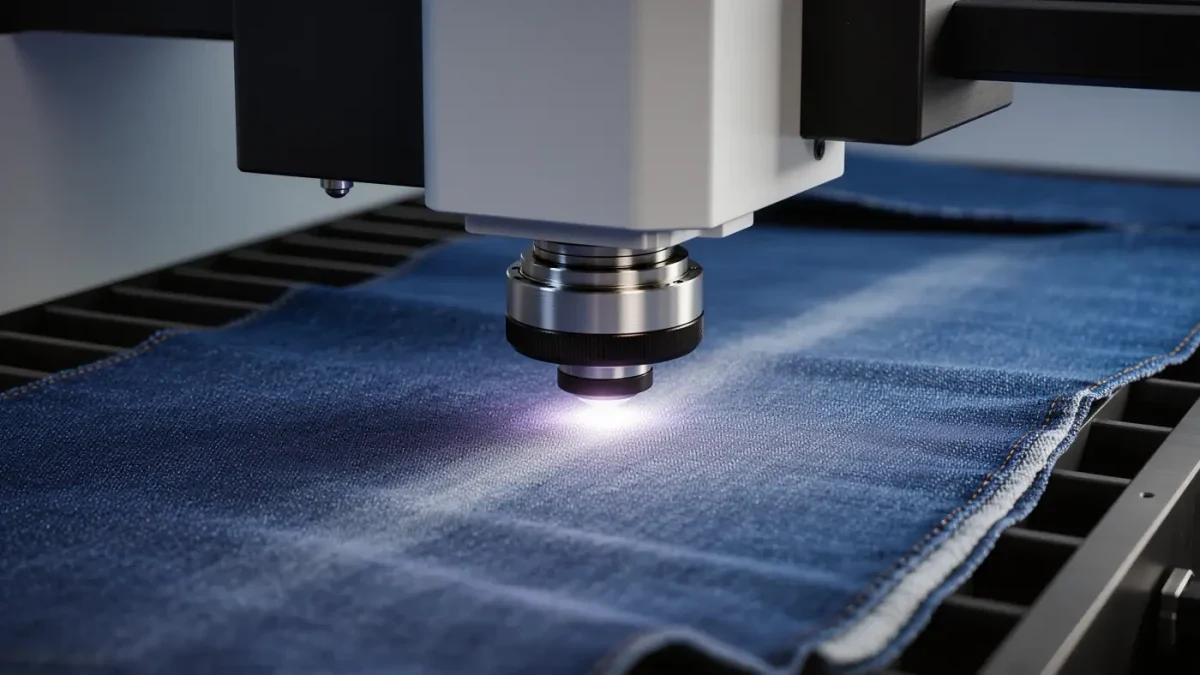
A CO2 laser burns a whisker pattern into denim in under a minute without water, pumice, or potassium permanganate, and the economics now favor it wherever volume justifies the machine.
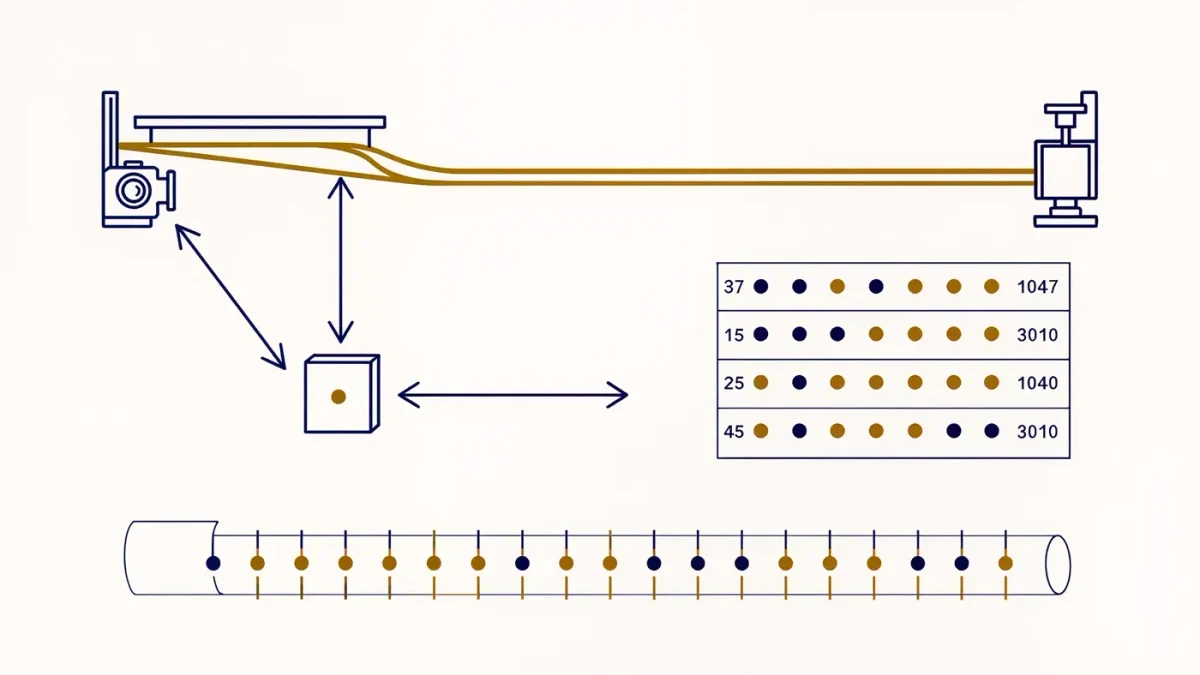
Camera systems inspect moving fabric faster than any inspector, catching knots and broken picks at production speed, while subtle defects and grading judgment stay contested territory.

A product lifecycle management system is the apparel company's single record of every style, and its real function is turning scattered development chatter into structured, versioned data.
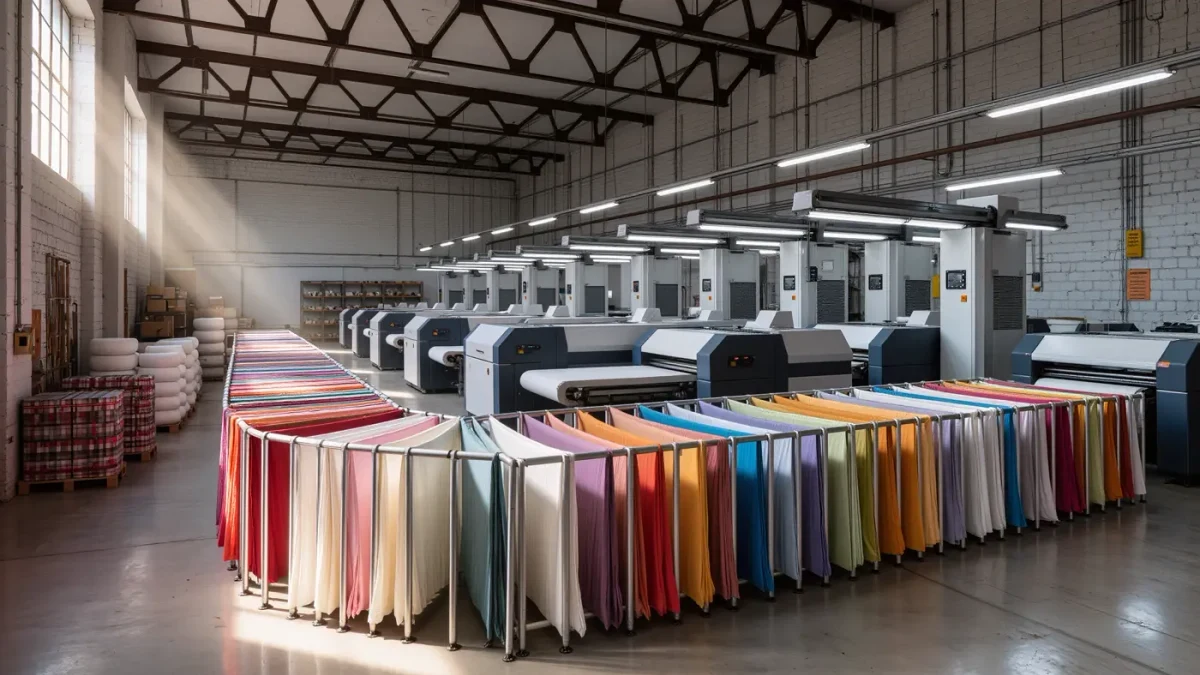
Ink and machine time keep digital printing's unit cost above rotary screen printing, but setup near zero changes which order sizes make sense at all.
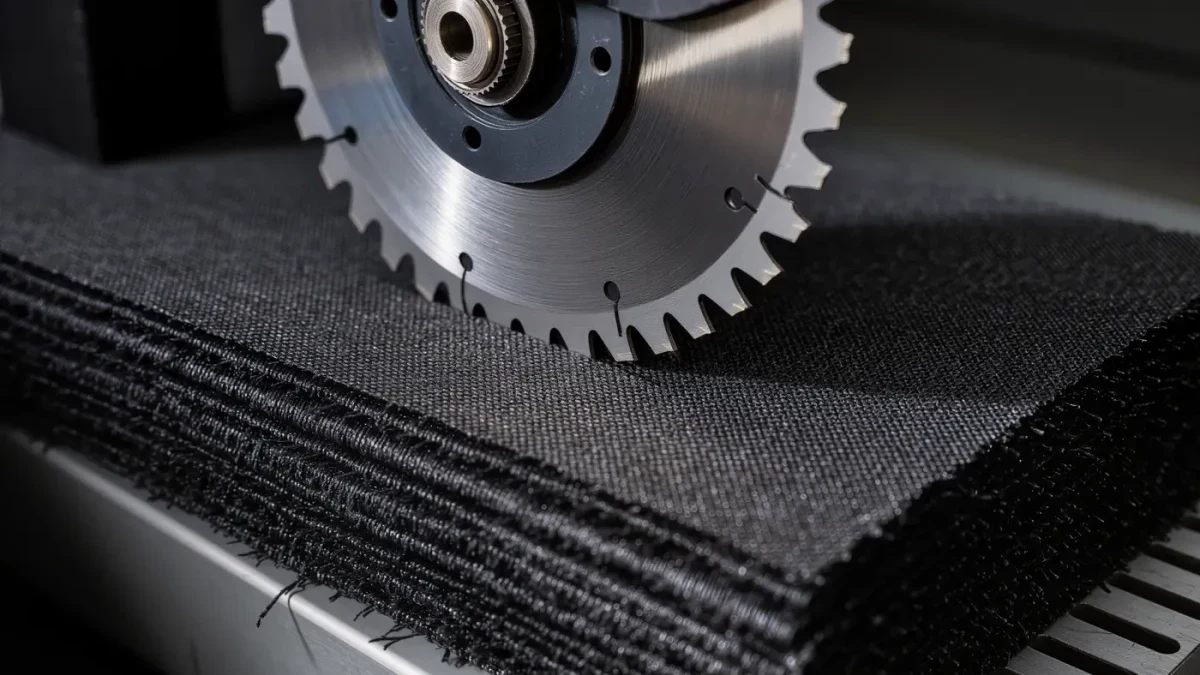
Computerized cutting systems cut plies to a fraction of a millimeter, but the fabric utilization number that decides the economics is set by the marker, not the blade.