Business News follows the industrial side: mill capacity, factory conditions and wages, tariffs, freight, margin structure and who really owns a label. Reporting works from trade data and filings. Suited to readers who want to know where clothes are made and what the arithmetic behind them looks like.
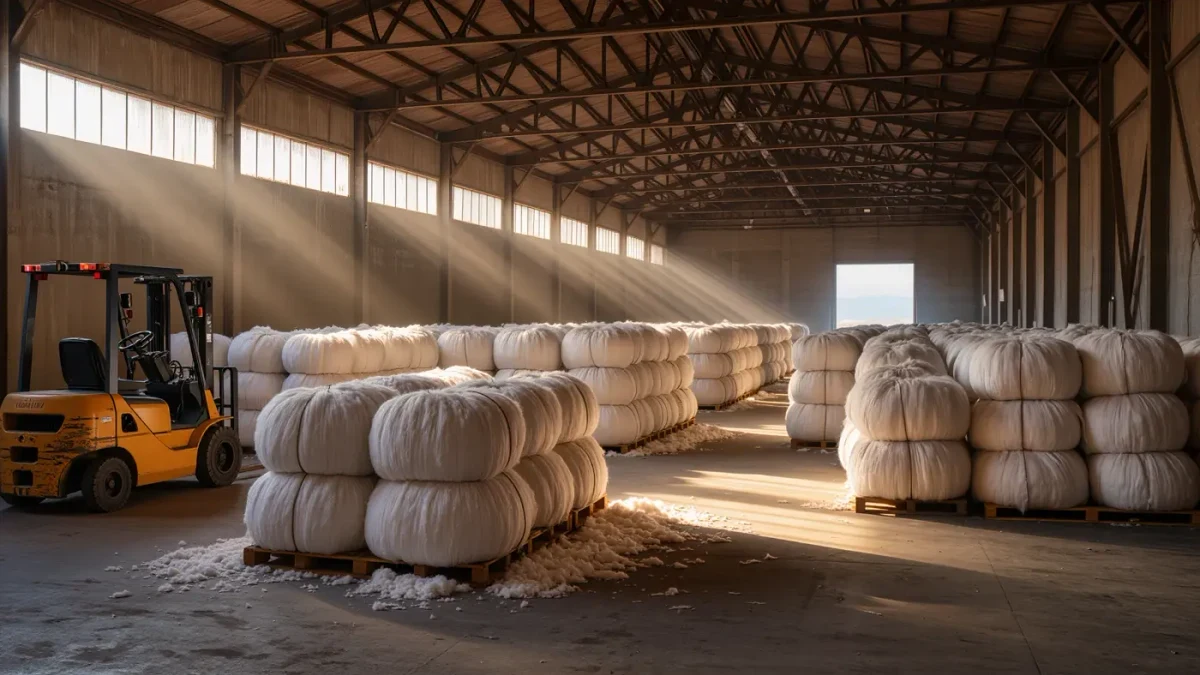
USDA's price tracking shows the cotton A-Index rising from 82.6 to 92.8 cents per pound between early April and May 2026, tightening margins on the most cotton-dependent categories.
From Guess's $1.4 billion deal with Authentic Brands to LVMH's $850 million Marc Jacobs exit, the ownership paper behind fashion's brand stories is public — and consistently surprising.
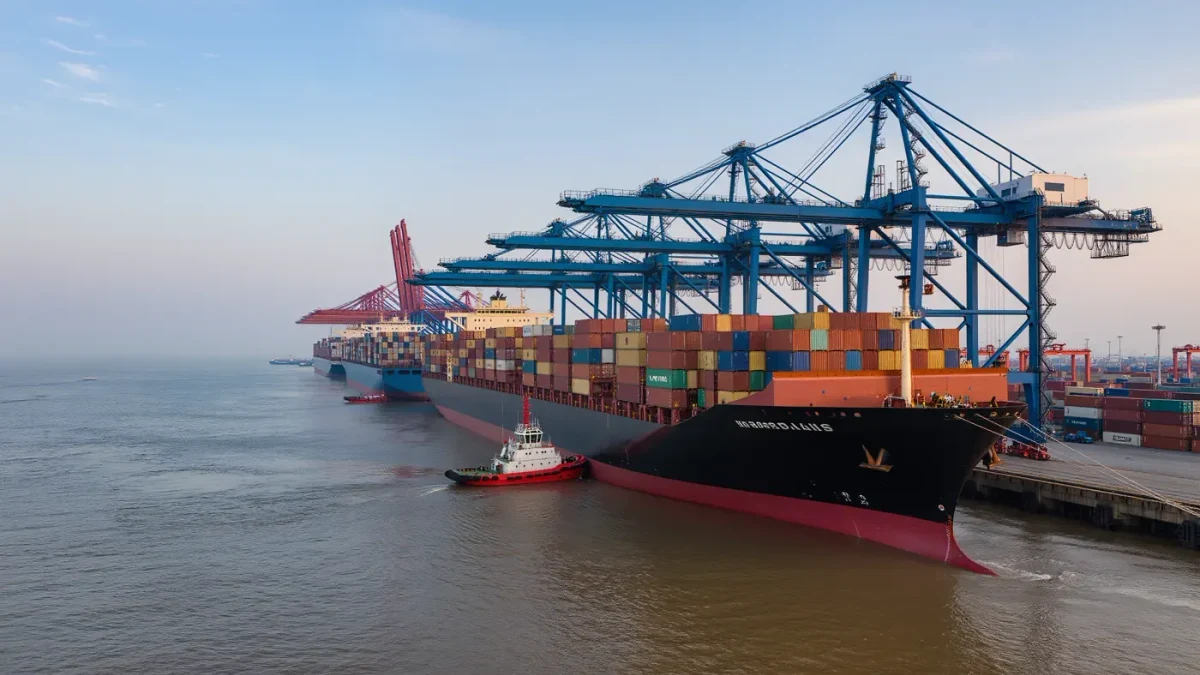
Transpacific container rates tracked by federal data determine the landed cost of every imported garment — and the spring season ships under the year's least predictable rates.
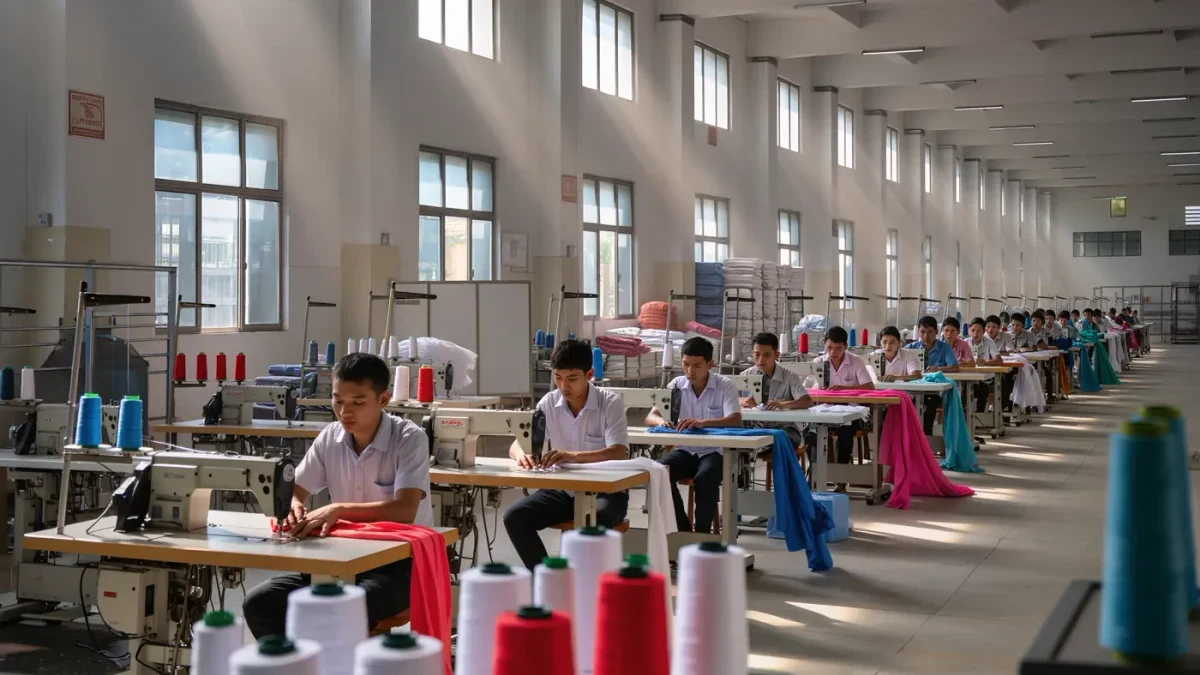
The 2026 rate took effect in January at $210 monthly, per the government's announcement — against union demands of at least $232 and with allowances reaching $227–$238.
Per University of Delaware analysis of official data, the average US apparel tariff hit 35.1% by December 2025 — and the layered structure matters more than the headline.
Closings through the end of 2025, from Elevate Textiles' Burlington plant down, show capacity exiting through a paperwork trail most shoppers never read.