Business News follows the industrial side: mill capacity, factory conditions and wages, tariffs, freight, margin structure and who really owns a label. Reporting works from trade data and filings. Suited to readers who want to know where clothes are made and what the arithmetic behind them looks like.
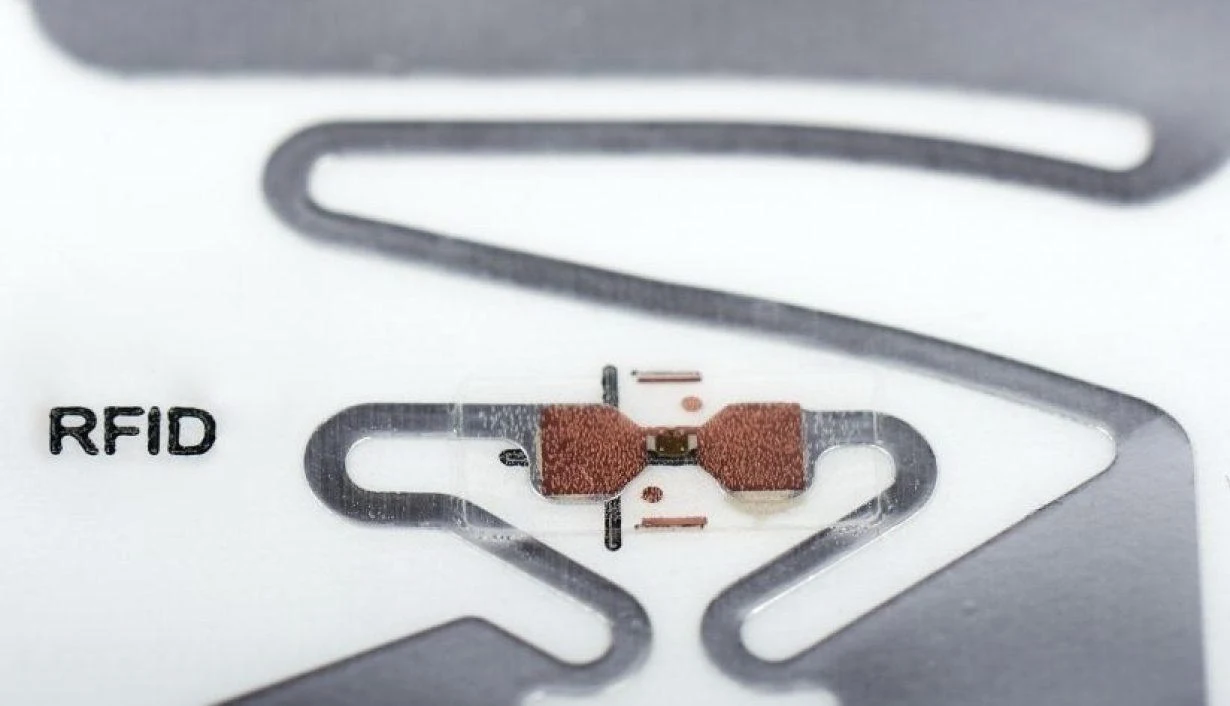
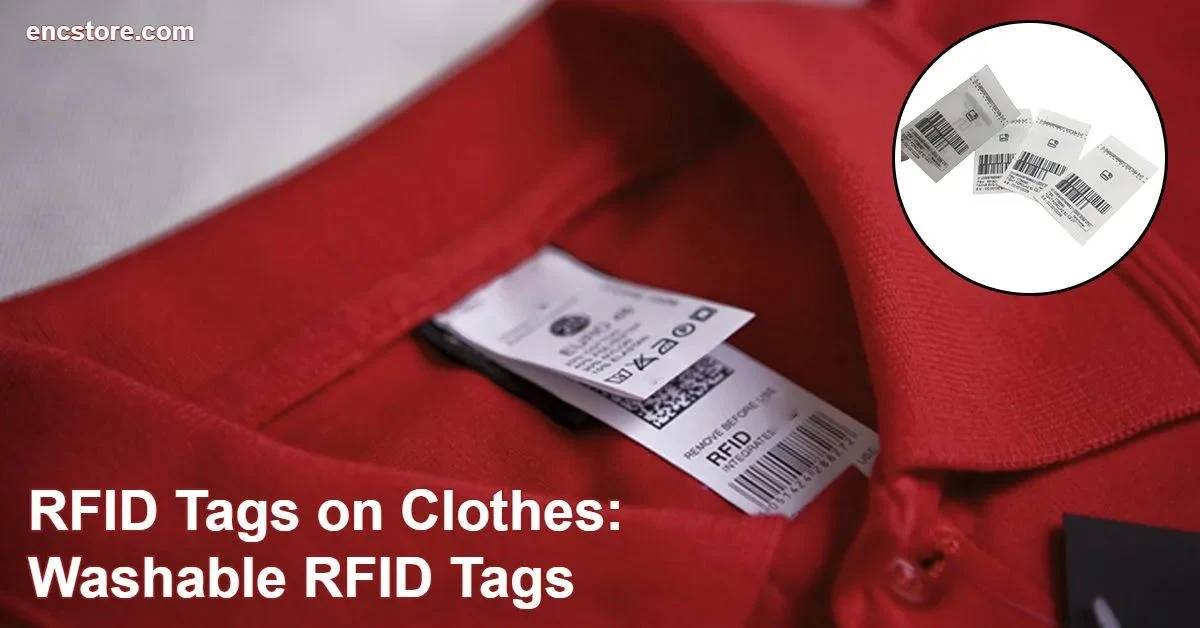
Item-level RFID tagging is a system that embeds a passive radio chip in a garment's price ticket or woven label so a reader can identify that single unit without a hand scan of its barcode.
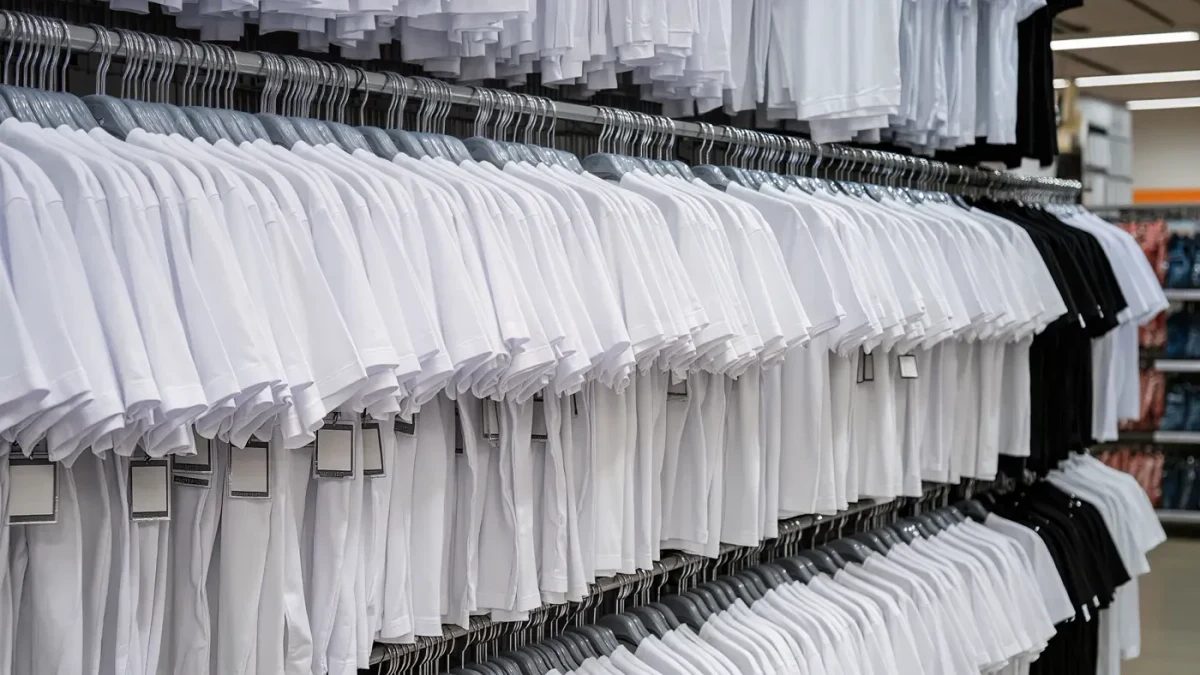
A passive tag with no battery, read from meters away, is why apparel retailers can now count a backroom in minutes instead of a day — and why the same chip is turning up in blockchain pilots and returns fraud checks.
Apparel dominated the year's retail bankruptcy filings — Saks Global led in January, per the coverage Moody's and analysts flagged — and mid-2026's ledger shows the stress is structural, not seasonal.
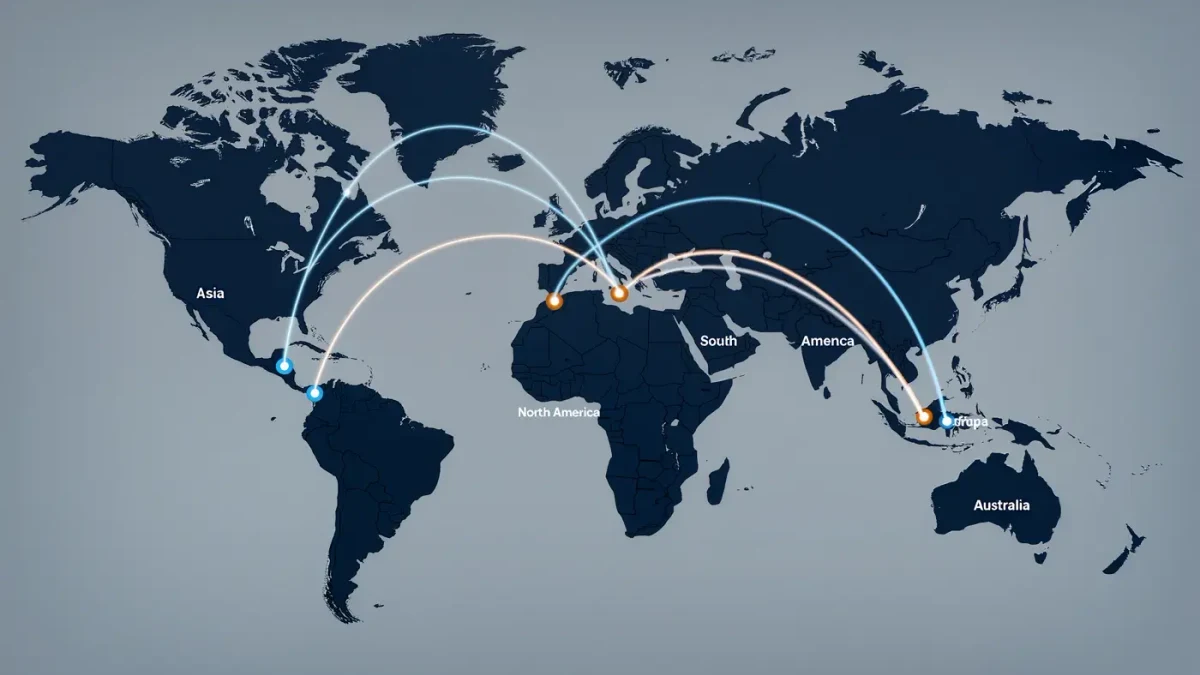
Per University of Delaware analysis of official figures updated in June, Asian countries supplied 70.2% of US apparel imports by value in April 2026, down from 72.0% a year earlier.
Per the WARN notice reported in February, an Upstate South Carolina textile plant will permanently close, laying off more than 120 employees beginning April 3, 2026.