
Topic
How User-Centered Fashion Design Works: What a Student Golfwear Study Shows
A Miami University award-winning project on women's golfwear is a compact case study in how functional clothing actually gets designed.
A Miami University award-winning project on women's golfwear is a compact case study in how functional clothing actually gets designed.

Interlocked letters and repeating marks are not decoration. They are compressed brand systems, built to survive shrinking, weaving, and copying.

A practical map of the platforms, habits and sequencing that help adults pick up design and technology skills without a classroom.

The show is the easy part. The work is what happens in the ninety minutes around it.

A magazine's paper stock is its handshake. Here is what weight, coating, and grain actually do to the reading experience.

Discounts follow the calendar, not the sale sign. Here is when each category actually hits its floor.
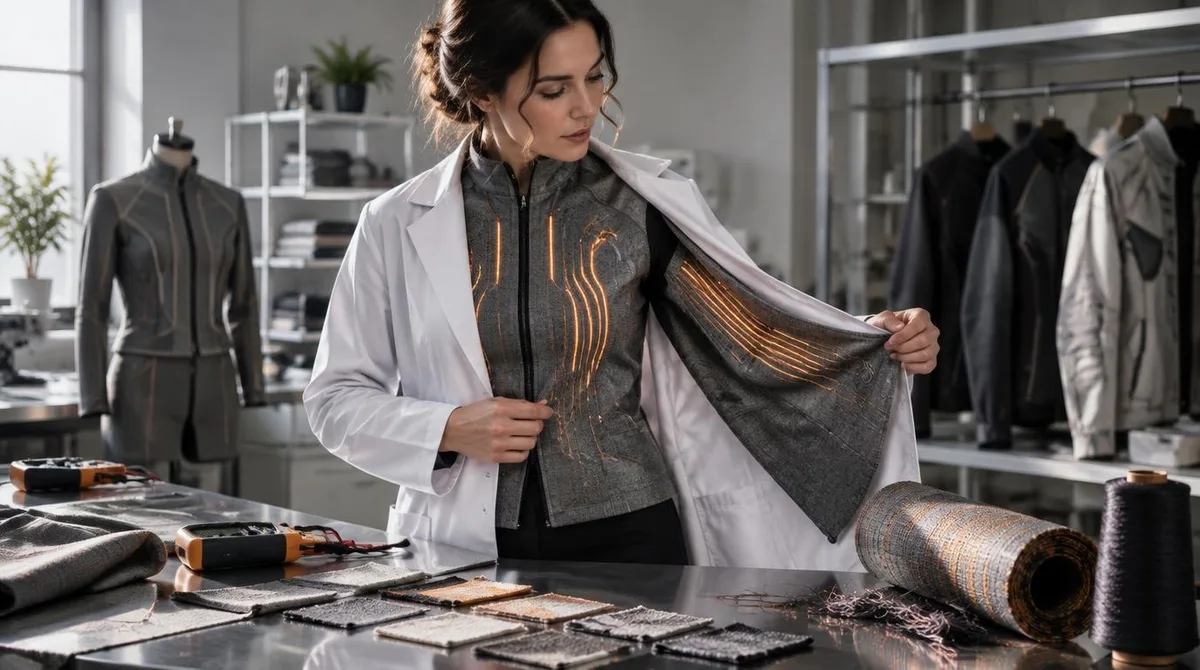
Most wearable technology stalls somewhere between the demonstration and the drawer. A maturity framework explains why.

One model hands the factory fabric, trims and a finished price. The other keeps sourcing in-house. The difference decides who owns the margin.

Every stage between a bale of fiber and a folded shirt on the floor adds a layer of cost, and the layers are not equal.

A good fashion newsletter does the filtering for you. The trick is knowing which kind of filtering you actually need.